The Pitfalls of Releasing Unprofessionally Produced Music

Written by ChatGPT from my prompt.

Introduction:

In today’s digital age, aspiring musicians and bands have greater accessibility to recording tools and platforms, making it easier than ever to self-produce and release their music. While this newfound freedom offers opportunities for creative expression, it also comes with its share of disadvantages and negative consequences. In this blog post, we will explore the pitfalls of releasing music without getting it professionally produced and mixed.
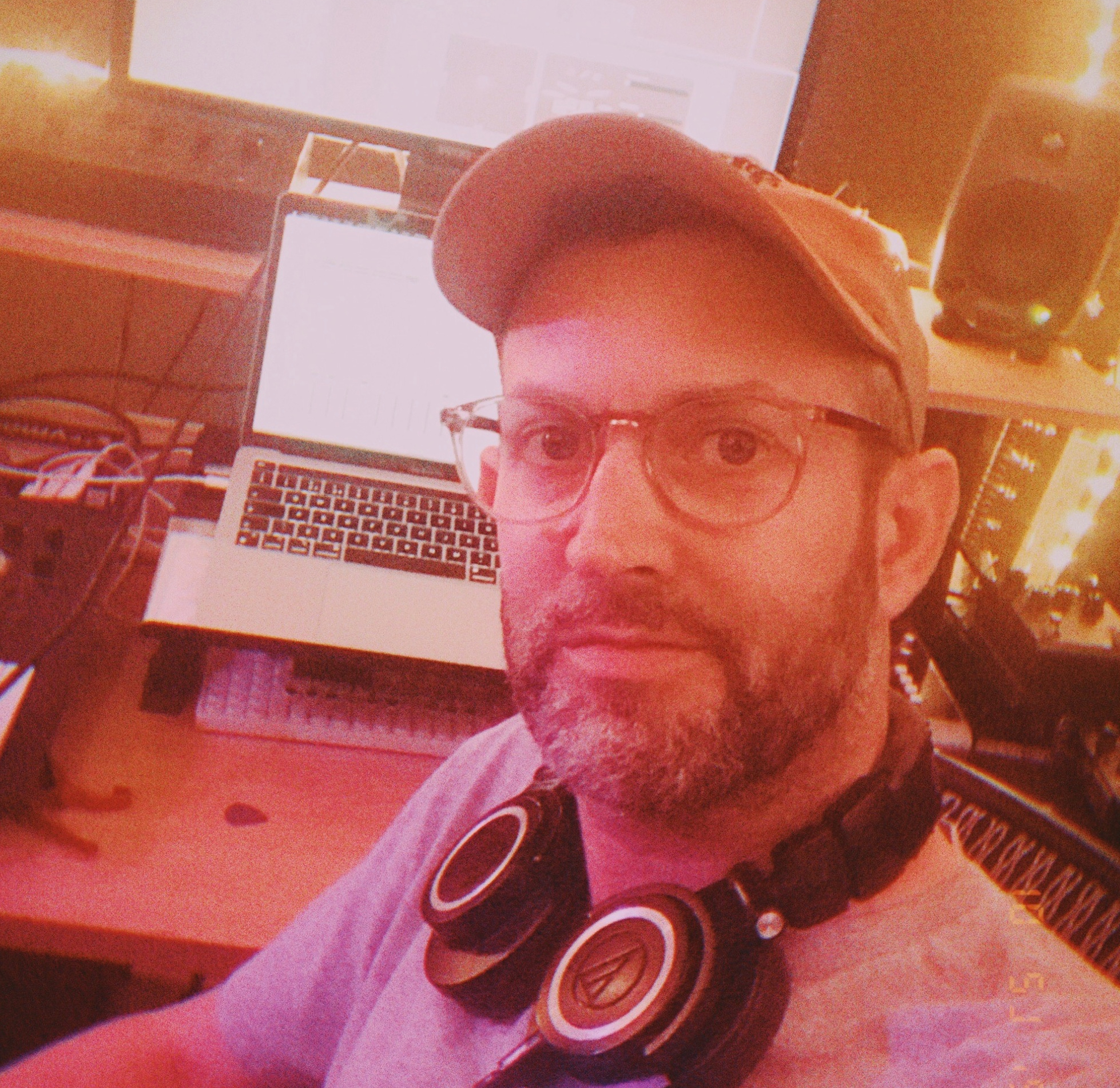
Record Producer Recording Studio

1. Poor Sound Quality:

One of the most apparent downsides of skipping professional production and mixing is the risk of poor sound quality. Amateur recordings often lack the refined audio engineering skills needed to create a polished and balanced sound. Subpar audio quality can deter listeners and leave a negative impression, hindering the music’s potential success.

2. Lack of Professionalism:

Professional production elevates a track by adding depth, dimension, and sonic coherence. When music lacks this professional touch, it may come across as amateurish and unrefined, leading to diminished credibility in the eyes of listeners, critics, and potential industry collaborators.

3. Inconsistent Sound:

Without professional production and mixing, the sound of individual tracks may vary significantly. Inconsistent audio levels, tonal imbalances, and varying reverb levels can create a disjointed listening experience, preventing the music from reaching its full potential.

4. Weakened Emotional Impact:

An unpolished production can fail to capture the intended emotional impact of the music. Elements like dynamics, effects, and arrangement play a crucial role in conveying emotions effectively. When these aspects are not skillfully handled, the message of the music may be lost on the audience.

5. Missed Opportunities for Exposure:

The music industry is competitive, and first impressions matter. Unprofessionally produced music may not stand out amidst the sea of high-quality productions, limiting opportunities for radio airplay, playlist features, and media coverage. A lack of exposure can hinder the artist’s growth and potential success.

6. Potential Copyright and Legal Issues:

Amateur production might inadvertently infringe upon copyright laws. Without proper knowledge of licensing and sample clearance, artists risk facing legal challenges that could result in the removal of their music from distribution platforms or even lawsuits.

7. Wasted Time and Resources:

Releasing music without professional production and mixing may require multiple attempts, leading to wasted time, effort, and resources. In contrast, hiring experienced producers and mixers streamlines the process, allowing artists to focus on their creativity and save time.

Conclusion:

While self-producing and releasing music has its appeal, artists should be aware of the disadvantages and negative consequences that come with skipping professional production and mixing. Poor sound quality, lack of professionalism, and missed opportunities for exposure can hamper an artist’s chances of making a lasting impact on their audience. To achieve their full potential, musicians should consider investing in professional production and mixing, ensuring their music receives the attention and recognition it deserves.

ONE NEW MIXING TRICK…

Getting multi-layered vocals to work together can be challenging. Hopefully this video can provide some ideas. I certainly enjoyed being creative with it and finding new ways to achieve separation and clarity which works well in the song.

The Benefits of Professional Mix Engineering: Elevating Your Music to New Heights 

I asked Chat GPT to write about the benefits of getting a pro to mix your music. Here’s what it said…

Introduction:

In the music production process, one crucial step often separates amateur recordings from professional, polished tracks: the mixing stage. While some artists may attempt to handle the mixing themselves, enlisting the expertise of a professional mix engineer can truly elevate your music to new heights. In this blog post, we’ll explore the significant benefits and advantages of working with a skilled mix engineer, and how it can enhance the overall quality and impact of your songs.

1. Achieving Sonic Balance and Clarity:

Mixing is an art form that requires a keen ear and a deep understanding of audio engineering principles. A professional mix engineer possesses the technical expertise to balance individual elements within a song, ensuring that each instrument and vocal sits in the mix with clarity and precision. By utilizing advanced techniques such as EQ, compression, and spatial effects, they create a cohesive sonic landscape where every element shines, resulting in a clear, well-defined mix.

2. Enhancing the Emotional Impact:

Music has the power to evoke emotions and connect with listeners on a profound level. A professional mix engineer knows how to capture the intended emotional essence of a song and enhance its impact through meticulous mixing techniques. By manipulating elements like dynamics, spatialisation, and tonal balance, they can create a mix that enhances the intended mood and takes the listener on an immersive sonic journey.

3. Polishing the Sound:

Even the most talented musicians can benefit from an extra set of trained ears during the mixing process. A professional mix engineer brings a fresh perspective to your music, offering valuable insights and suggestions that can take your songs to the next level. They possess the technical knowledge to address issues like excessive noise, frequency masking, and audio artefacts, ensuring a polished and professional sound that stands out from the crowd.

4. Industry-Standard Quality:

In today’s competitive music landscape, it’s essential to meet industry standards in terms of sound quality. Professional mix engineers have extensive experience working with various genres and know the sonic expectations of different platforms and mediums. They employ high-quality tools and equipment, ensuring that your songs sound professional and are ready for radio, streaming platforms, or any other distribution channel.

5. Time and Efficiency:

Collaborating with a mix engineer allows you to focus on what you do best: creating music. Mixing can be a time-consuming process, especially for artists without a deep understanding of the technical aspects. By entrusting your mix to a professional, you save valuable time and energy, enabling you to concentrate on your creative process and overall artistic vision.

Conclusion:

Investing in the services of a professional mix engineer offers numerous advantages that can significantly enhance the quality and impact of your music. From achieving sonic balance and clarity to enhancing emotional impact and ensuring industry-standard quality, their expertise elevates your songs to new heights. By collaborating with a skilled mix engineer, you can unleash the full potential of your music and captivate your audience with a polished and professional sound that resonates.

Remember, music is not just about the notes; it’s also about the way they are presented and delivered. Trusting a professional mix engineer to handle the intricacies of the mixing process is an investment that can make a world of difference in the final product and the overall success of your musical endeavours.

Seven Main Challenges of an Independent Solo Artist –

Written by Google Bard AI from my prompt:

Google Bard says that the main problems faced by independent solo artists and singer songwriters are related to money, promotion, time, connections, and mental health. These problems can be challenging to overcome, but there are also some benefits to being an independent artist, such as having more freedom and control over your music and career.

Here is a more detailed explanation of each of the problems and benefits:

Money: Independent artists often have to fund their own projects, which can be difficult and time-consuming. They may also have to pay for marketing and distribution, which can be expensive.

Promotion: Independent artists need to find ways to promote their music and reach new audiences. This can be challenging, especially in a crowded marketplace.

Time: Independent artists often have to wear many hats, which can be overwhelming. They may be responsible for everything from writing and recording music to booking shows and managing their social media.

Indie artist Aly Berry in the studio

Connections: Independent artists need to build relationships with people in the industry in order to get their music heard. This can be difficult, especially if you are starting out.

Mental Health: The music industry can be a tough place to work, and independent artists are often under a lot of pressure. This can lead to stress, anxiety, and depression.

Freedom: Independent artists have more freedom to control their music and career than artists who are signed to a record label. They can make their own creative decisions and set their own terms.

Revenue: Independent artists can earn more money from streaming and merchandise than they would from traditional record sales. This is because they keep a larger share of the revenue.

Creativity: Independent artists have more freedom to experiment and be themselves. They are not limited by the constraints of a record label.

Overall, being an independent solo artist or singer songwriter can be challenging, but it can also be rewarding. If you are creative and passionate about music, then it is possible to be successful as an independent artist.

However, it is important to be aware of the challenges and to be prepared to work hard.