Introduction:
As a self-recording artist, you possess the freedom to unleash your creative vision and capture your music on your terms. However, the quest for exceptional sound quality can be a challenge. If you find yourself struggling to achieve professional-sounding recordings, worry not! In this blog post, we will explore valuable tips and techniques that will help you elevate the quality of your self-recordings and bring your music to life.
1. Invest in a Quality Recording Setup:
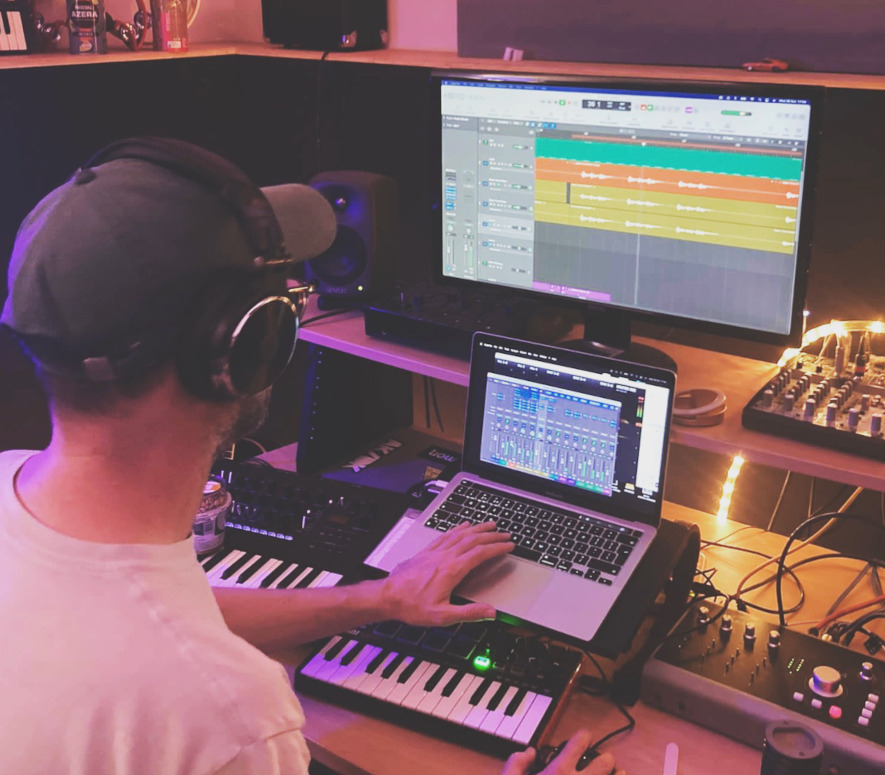
To capture pristine audio, it’s crucial to invest in reliable recording equipment. Consider acquiring a high-quality microphone, audio interface, and studio monitors that match your budget and requirements. By investing in reliable tools, you’ll be well-equipped to capture the nuances of your performance accurately.
2. Optimize Your Recording Environment:
Creating an acoustically treated recording space can work wonders for your sound quality. Minimize background noise by soundproofing your room, using foam panels, bass traps, and diffusers. Pay attention to room resonance and unwanted reflections to ensure a clean and accurate recording.
3. Master the Art of Mic Placement:
Proper microphone placement is a game-changer when it comes to achieving excellent sound quality. Experiment with different microphone techniques such as close-miking, stereo techniques, or room miking to capture the desired sound characteristics. Find the sweet spot that complements your unique style and instrumentation.
4. Utilize DAW Tools for Polishing:
Digital Audio Workstations (DAWs) offer a myriad of tools and plugins to enhance your recordings. Learn to use EQ (equalization), compression, and reverb effectively to shape the sound of your recordings. Experiment with different settings to strike a balance between clarity, warmth, and depth.
5. Prioritize Performance and Technique:
Remember, capturing a great recording starts with an exceptional performance. Focus on your technique, timing, and expressiveness during the recording process. Strive for consistency and emotional connection with your music to create compelling recordings that resonate with your listeners.
6. Embrace the Power of Mixing and Mastering:
While self-recording artists may face challenges in the mixing and mastering stage, it’s crucial not to neglect these critical steps. Invest time in learning basic mixing techniques, including balancing levels, panning, and creating a cohesive sonic landscape. If needed, consider seeking professional assistance for mastering to ensure a polished and radio-ready final product.
Conclusion:
Being a self-recording artist presents both artistic freedom and technical challenges. By following these tips and techniques, you can overcome the struggle to achieve good-sounding recordings. Remember, practice, patience, and continuous learning are key to improving your recording skills. Embrace the journey and let your passion for music drive you towards achieving stellar sound quality in your self-recordings. Happy recording!

 Steve Baker